
Before the restaurants, boats and familiar names, there is the island itself.
Dry hills rising from clear water. Roads following the contours of the land. Coves appearing suddenly between rock and vegetation. Light moving across the hills and changing the colour of the sea throughout the day.
Saint Barth is compact enough to become familiar within days, but varied enough to resist being reduced to a single image.
That is where its character begins.
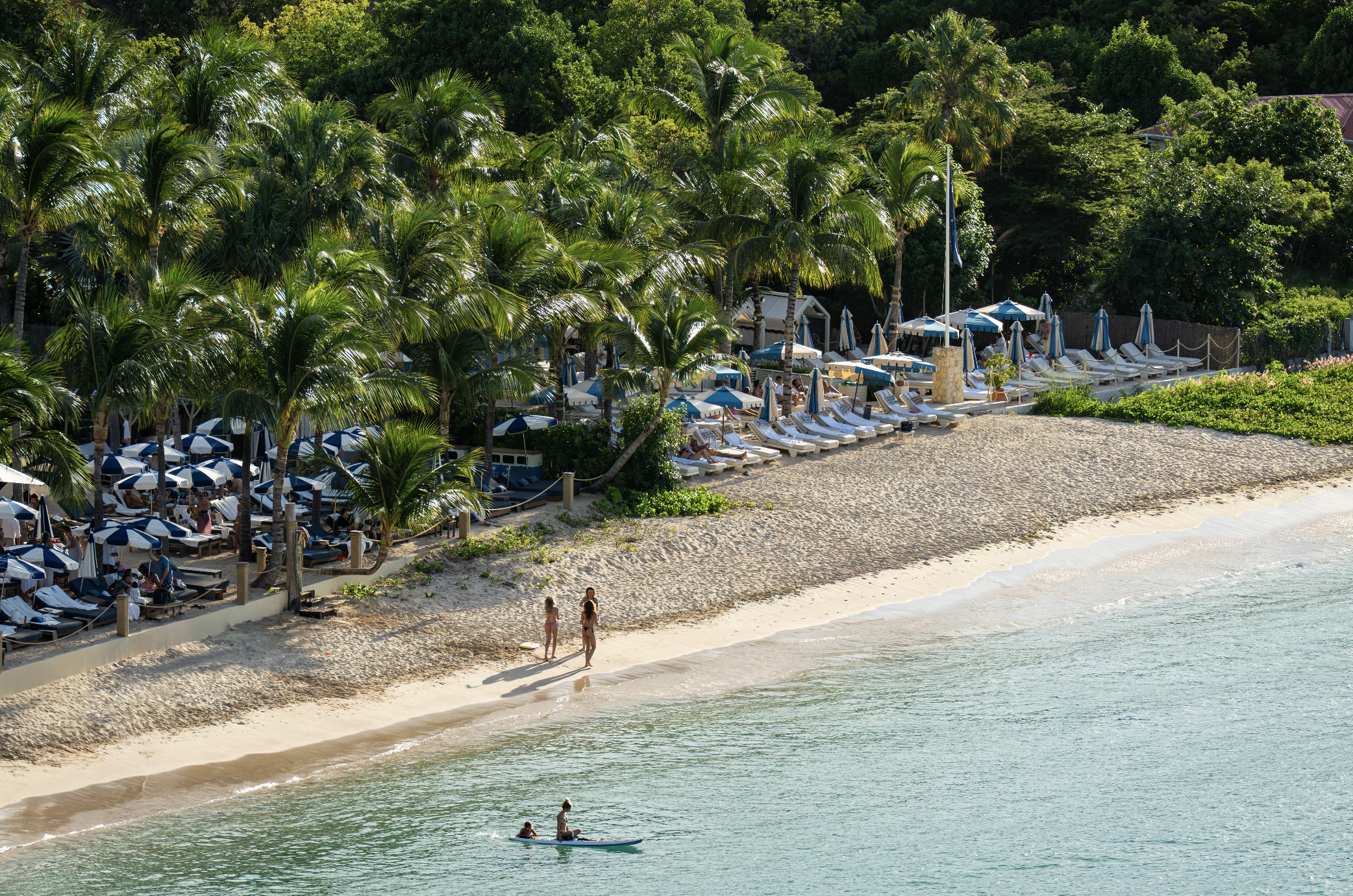
Saint Jean has a livelier rhythm, where a morning swim can easily become lunch and an afternoon spent around the bay.
Gouverneur feels more open and removed. We like it particularly early, when the beach is quiet and the day has barely begun.
Shell Beach sits just beyond Gustavia, smaller in scale and especially beautiful when the afternoon light begins to soften.
Colombier is reached on foot or by boat, with the journey becoming part of the pleasure of arriving.
The beaches are only one part of the landscape.
Saint Barth is dry, exposed and sculptural, shaped by rock, wind, salt and changing light. Roads climb quickly into the hills, opening onto the sea before disappearing again between vegetation and stone.
From one side of the island to another, the orientation changes everything. The wind feels different. The water changes colour. The light reaches the hills at another hour.
These small shifts are part of what gives such a compact island so many different moods.
Saint Barth reveals another side of itself away from the water. Gustavia, the table, evenings out, galleries and familiar places all become part of the rhythm of the island.
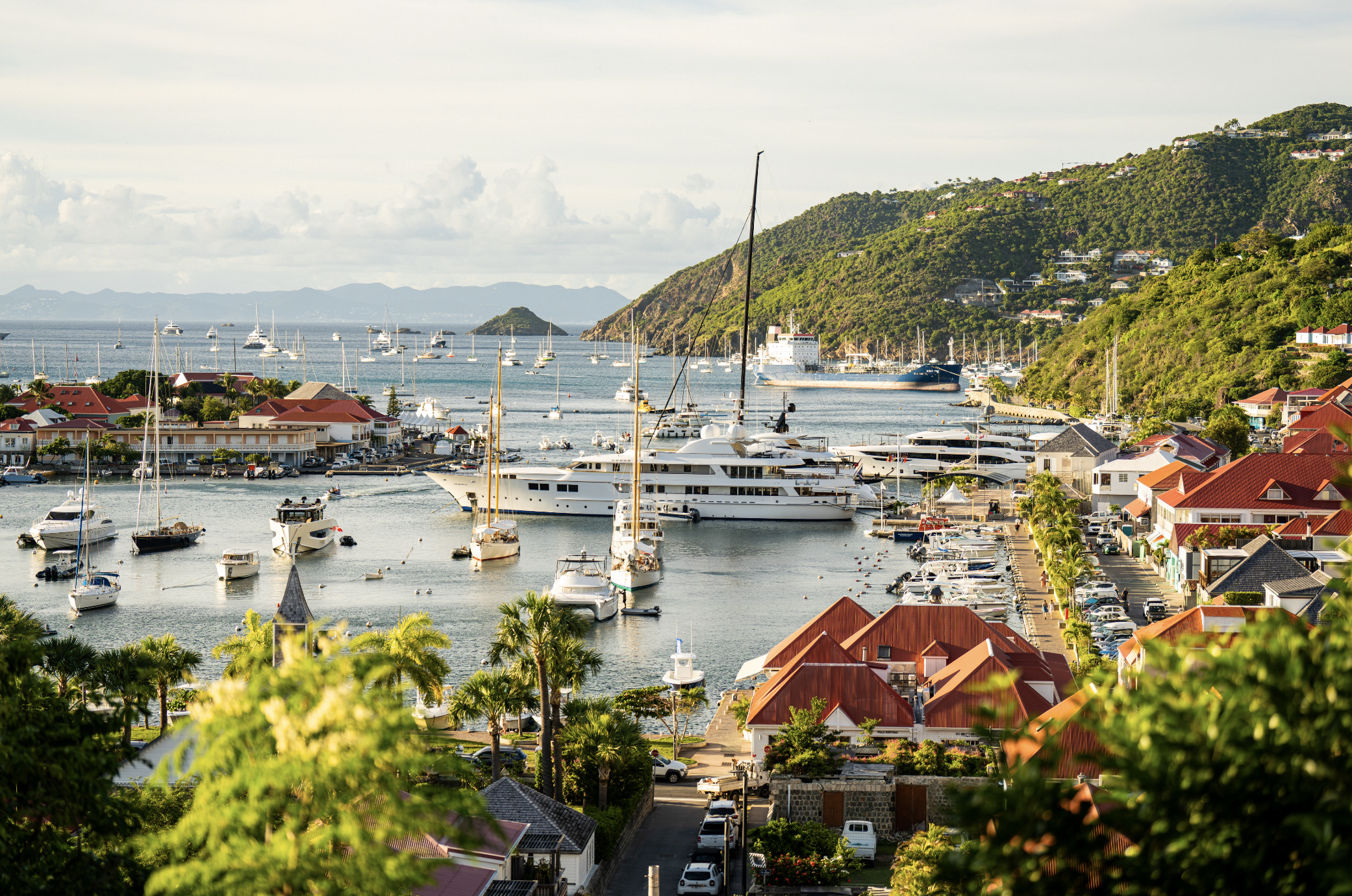
Gustavia is small enough to wander without a plan. Boutiques, local addresses and international houses sit naturally among older buildings and narrow streets around the harbour.
The pleasure is often simply in moving slowly, stopping somewhere familiar, then continuing when something catches your eye.
Food is woven into the rhythm of Saint Barth.
Lunch can stretch well into the afternoon. Dinner may begin late and last much longer than expected. French influences meet the Caribbean setting naturally, without needing much explanation.
Some meals become destinations. Others are remembered because there was nowhere else you needed to be.
Evenings have their own pace.
Some begin quietly over dinner. Others move toward Gustavia, music or a table that gradually fills with friends.
The island can feel animated without losing its intimacy. The best nights are often the ones that unfold without deciding too much in advance.
Galleries, exhibitions and cultural events offer a quieter way into the island.
Contemporary work sits alongside photography, design and pieces shaped by Caribbean life, adding another layer to Saint Barth beyond its beaches and restaurants.
Certain moments give Saint Barth a different rhythm. Some belong to the harbour, some to the table and others to the streets of Gustavia. Together, they reveal another side of the island.
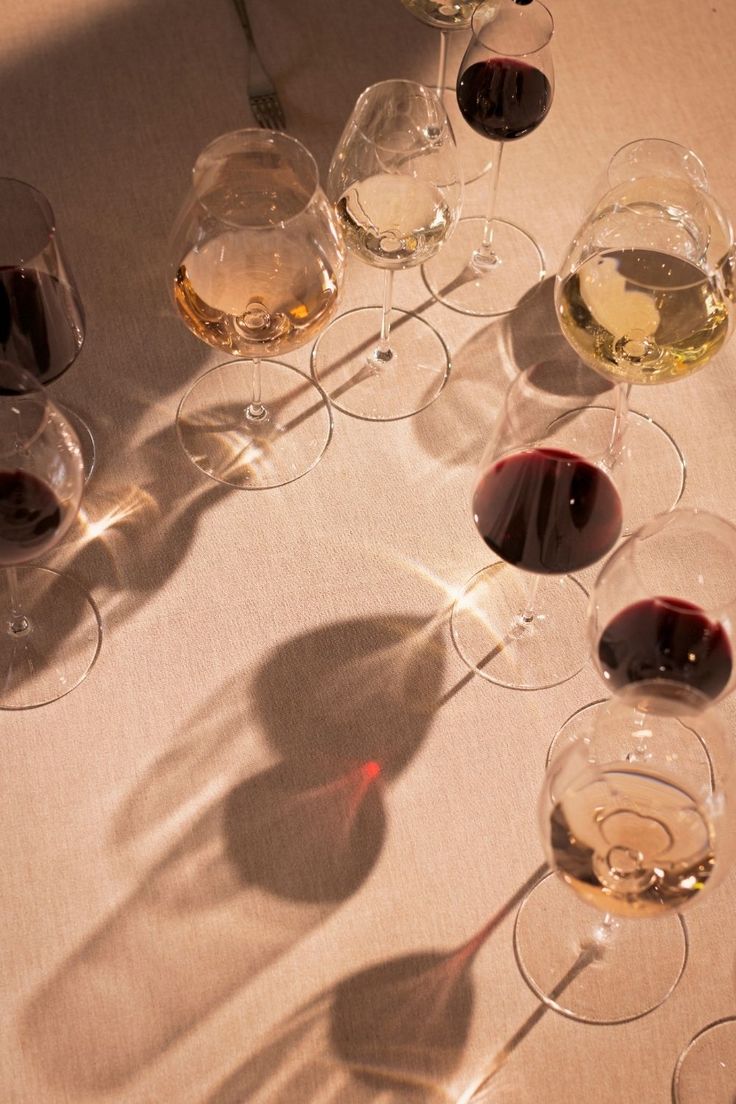
Burgundy Week brings wine and food together over a few days on the island. Producers, chefs and restaurants share a programme centred on Burgundy, creating a more intimate occasion built around the table, conversation and the pleasure of tasting slowly.
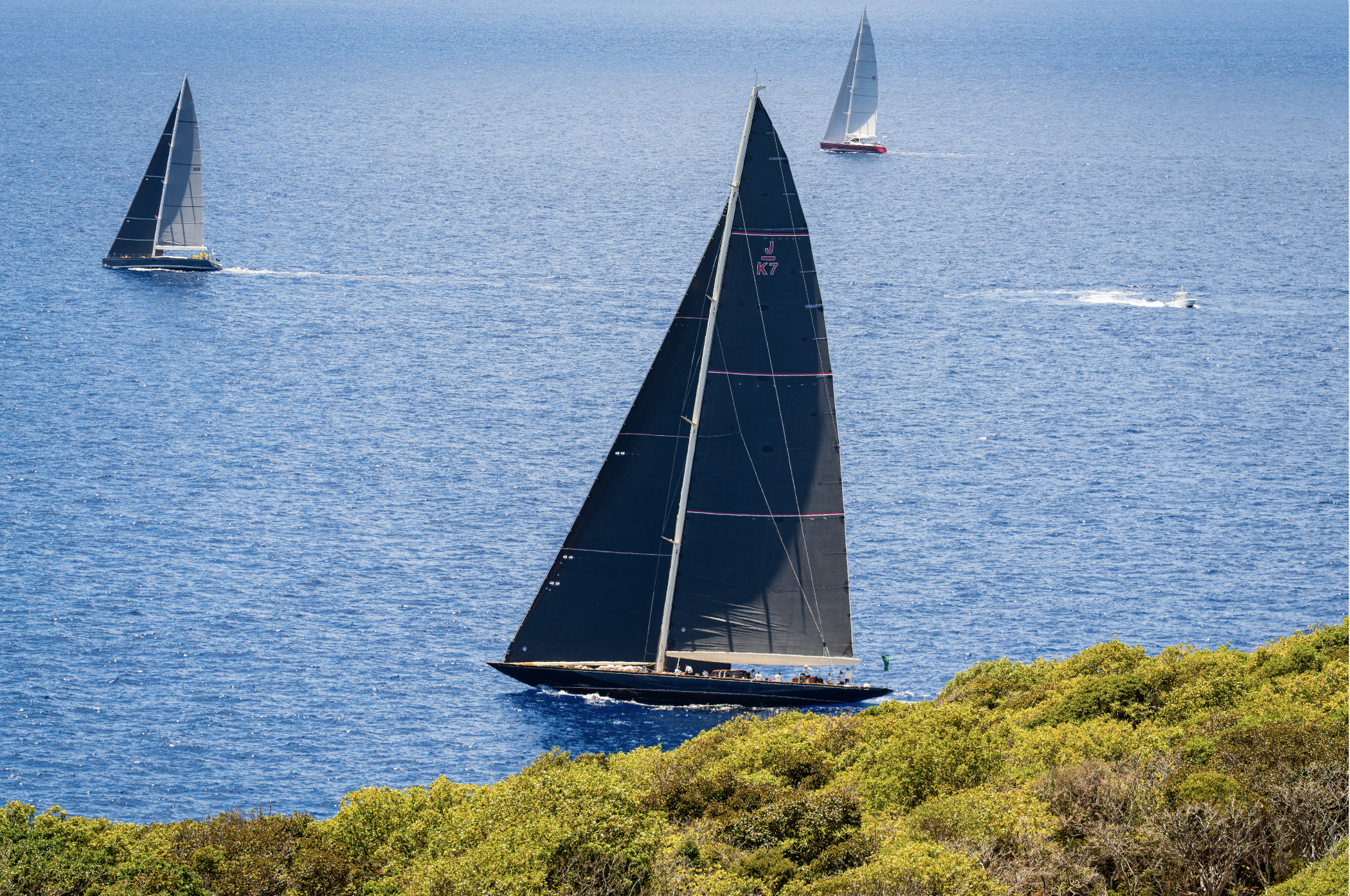
For a few days in March, sailing reshapes the horizon around Saint Barth. Large sailing yachts gather off Gustavia and races unfold around the island, drawing attention back to the sea and giving the harbour a rhythm of its own.
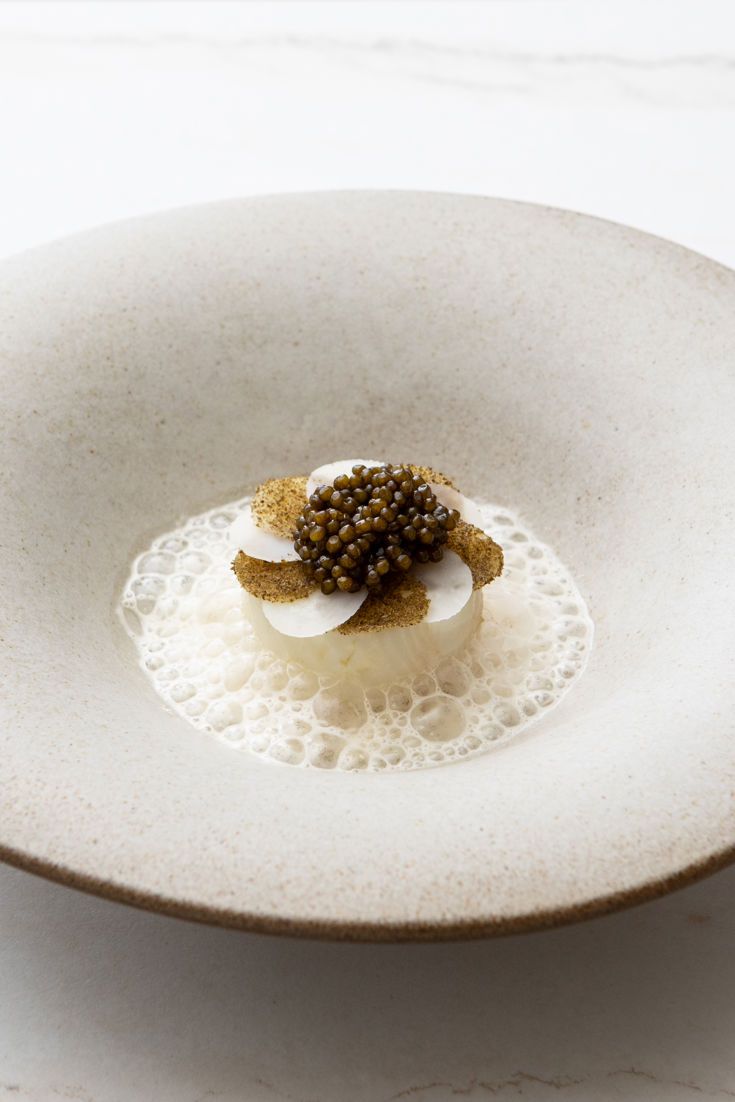
Each November, chefs from France and beyond join restaurants across the island for a series of dinners and special menus. For several days, the table becomes another way of experiencing Saint Barth.
The end of the year brings a particular energy to Saint Barth. Gustavia grows livelier, boats return to the harbour and evenings stretch later. It is a brief, unmistakable moment when the island feels fuller, brighter and entirely in motion.
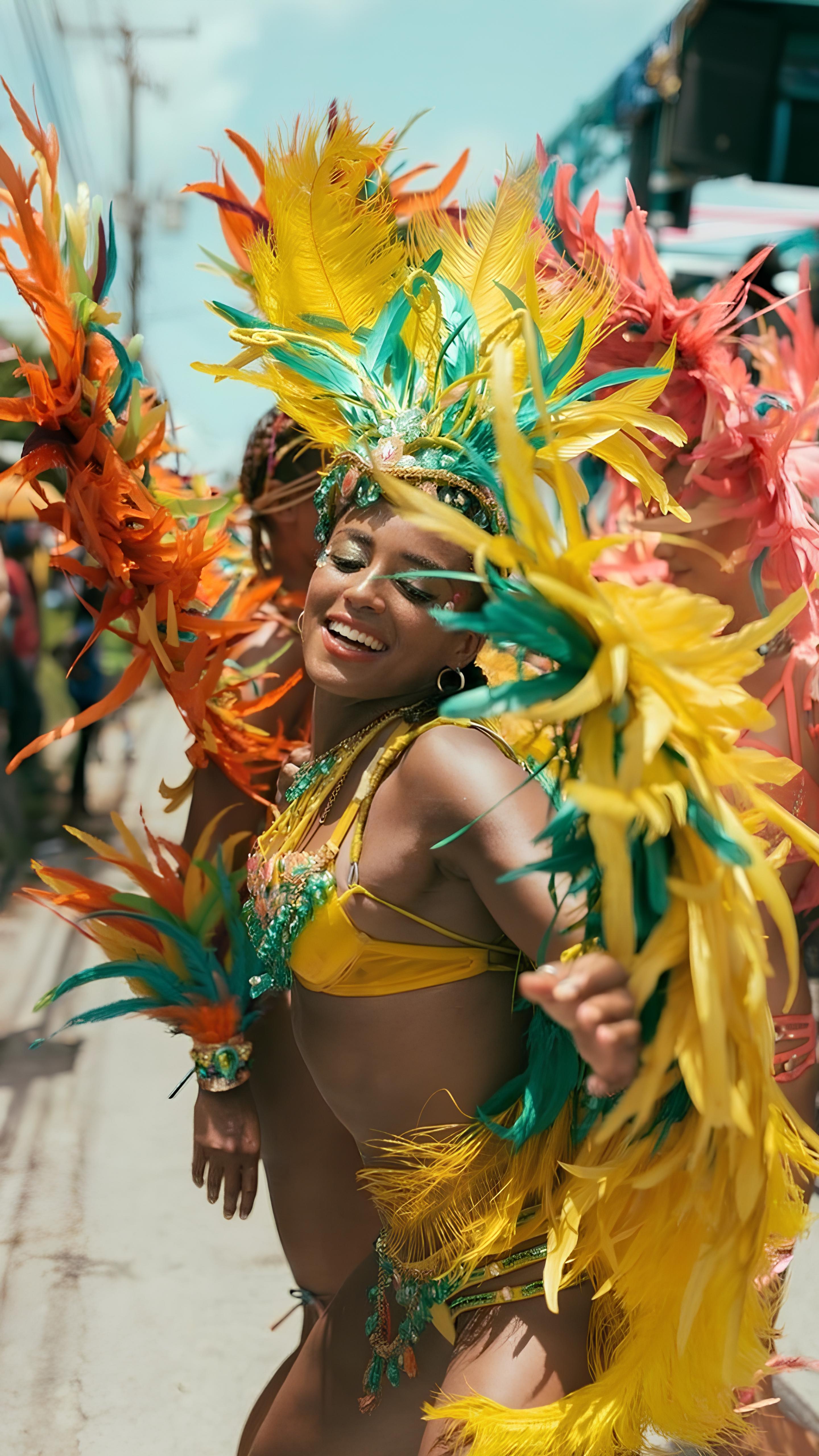
Carnival reveals one of the island’s most local and expressive traditions. Music, colour and costume move through Gustavia as families and friends gather in the streets. The season reaches its close with Vaval, a ritual deeply woven into island life.
For several days each spring, cinema offers another way of looking at the Caribbean. Screenings, conversations and visiting filmmakers bring stories from the region and beyond to Saint Barth, adding a quieter cultural moment to the island’s annual calendar.
After a few days, the obvious things begin to matter less.
You start to recognise the road before the view appears. You know which turn leads home, where the wind changes and when a familiar beach is likely to be quiet.
Certain routines begin without being planned. The same morning coffee. The same road back in the afternoon. A swim at the same hour.
Perhaps that is when Saint Barth starts to feel different.
Less like somewhere you came to discover, and more like somewhere you already know.
A few practical things worth knowing before spending time on the island.
Yes. The island is compact, making it easy to move between the beach, lunch and home without spending too much time on the road.
For families, the experience depends less on having a long list of activities and more on choosing the right location, beach and rhythm for the way you like to spend time together.
There is no single best time.
November through April is the most animated part of the year, with cooler evenings, a fuller calendar and the festive season at its peak.
May through August feels quieter and slower. September and October are traditionally the calmest months and fall within the Caribbean hurricane season.
Saint Barth generally has a calm and relaxed atmosphere, but the usual care you would take while travelling still applies.
The roads deserve particular attention. They are narrow, hilly and often winding, so driving slowly and becoming familiar with the island at your own pace is part of the experience.
French is the official language, but English is widely spoken throughout the island, particularly in restaurants, shops and places accustomed to welcoming visitors.
Knowing a few words of French is always appreciated, but it is not necessary to enjoy your time in Saint Barth.
The Euro is the official currency of Saint Barth.
Credit cards are widely accepted, and US dollars can also be used in many places. Keeping some Euros with you can still be useful for smaller everyday purchases.
Saint Barthélemy lies in the northeastern Caribbean, close to St Martin and St Maarten.
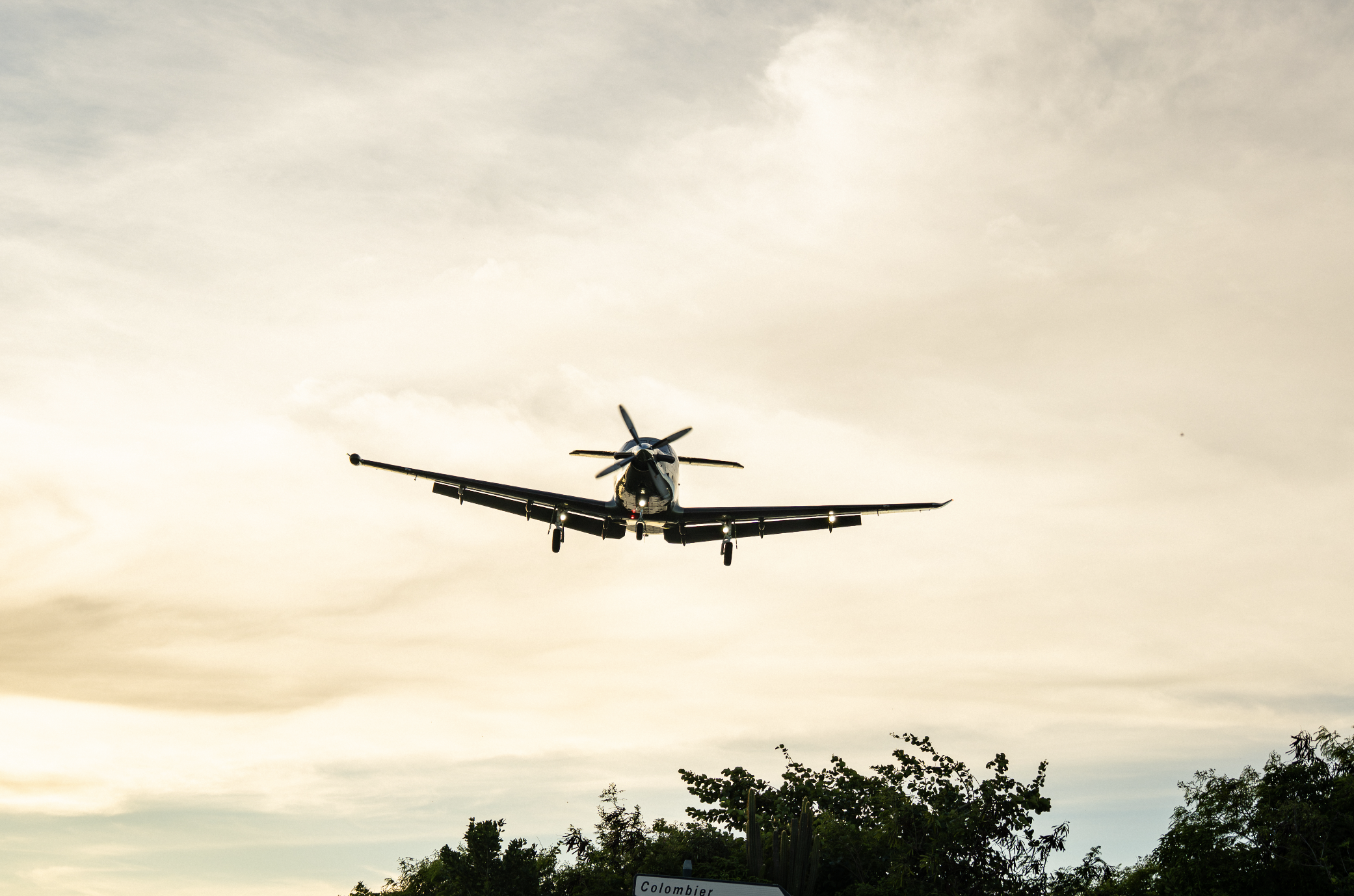
Most international journeys include a final connection through a neighbouring island. St Maarten is one of the main gateways, with a short regional flight or ferry completing the journey to Saint Barth.
For most stays, yes.
The island is small, but its hills, winding roads and different neighbourhoods make having your own car the easiest way to move freely throughout the day.
Distances are short, and before long the roads themselves become part of what makes the island feel familiar.